AI and the Hidden Cost of Misunderstood Language
AI isn’t making us less intelligent. It’s showing how we think, learn, and use tools — and whether we stay present while doing so.

AI isn’t making us less intelligent. It’s showing how we think, learn, and use tools — and whether we stay present while doing so.
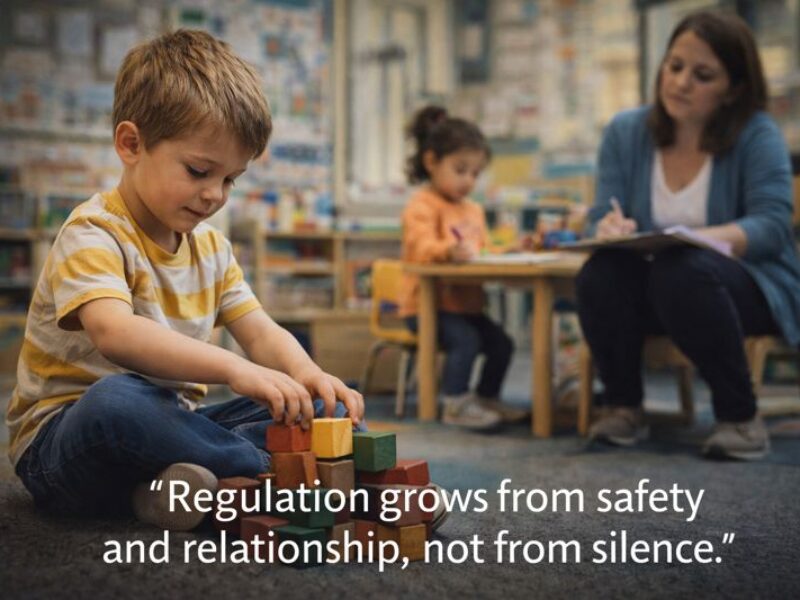
An experienced educator reflects on self-regulation, resilience, and why children need space to feel before they are expected to cope, manage emotions, or behave calmly.
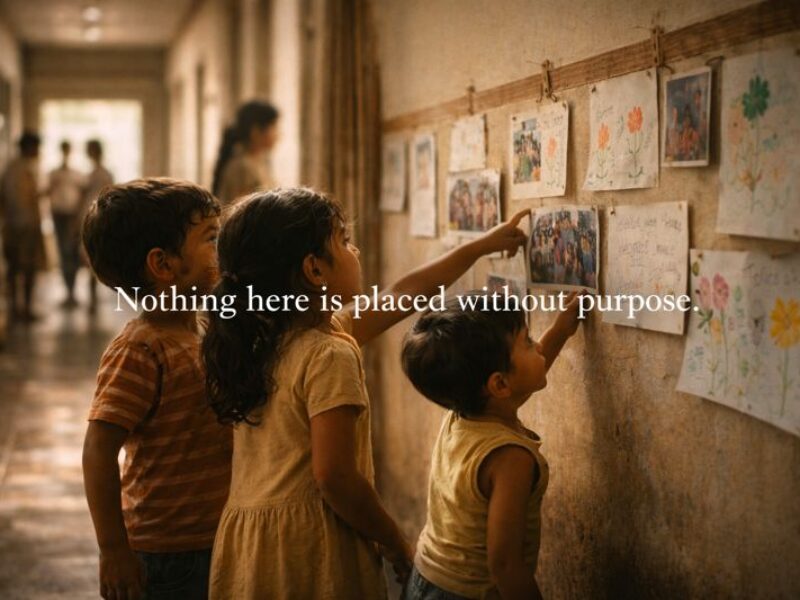
A decade-long IB educator reflects on Early Years and PYP in India, exploring what truly works, what becomes performative, and how child-centred learning can be reclaimed through trust, leadership, and meaningful practice.
I found an old piece I once wrote and decided to share it. Not because it’s perfect — but because it explains why teacher spirit stays.
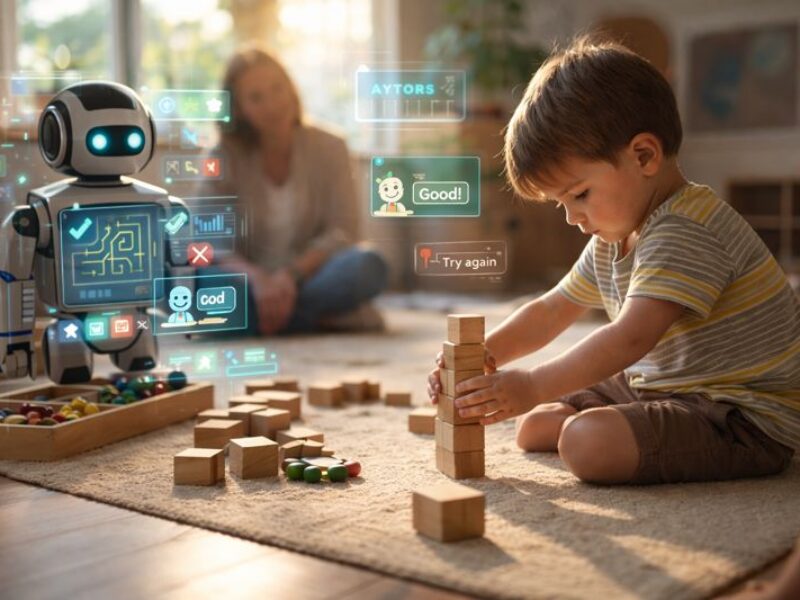
When you spend years on the floor with small children, you stop believing in shortcuts. Learning does not arrive through efficiency. It arrives through spilled water, slow hands, frustration, and return. AI may respond quickly, but childhood does not. And that difference matters.
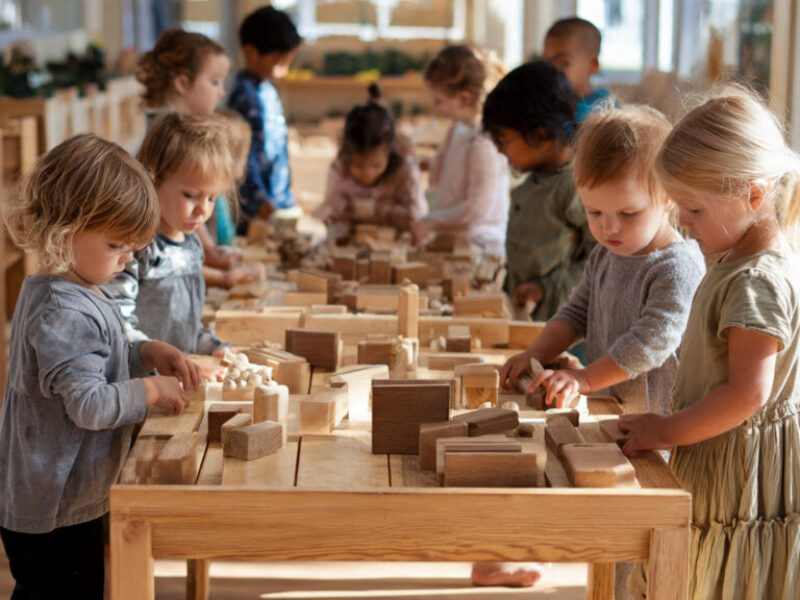
Children learn most deeply when their bodies are involved. This article reflects on hands-on, movement-based learning in early childhood and how sounds, numbers, words, and understanding stay when learning moves beyond the chair.
 English English
  Polish