CO CZYTELNICY ZNAJDĄ W TYM ARTYKULE
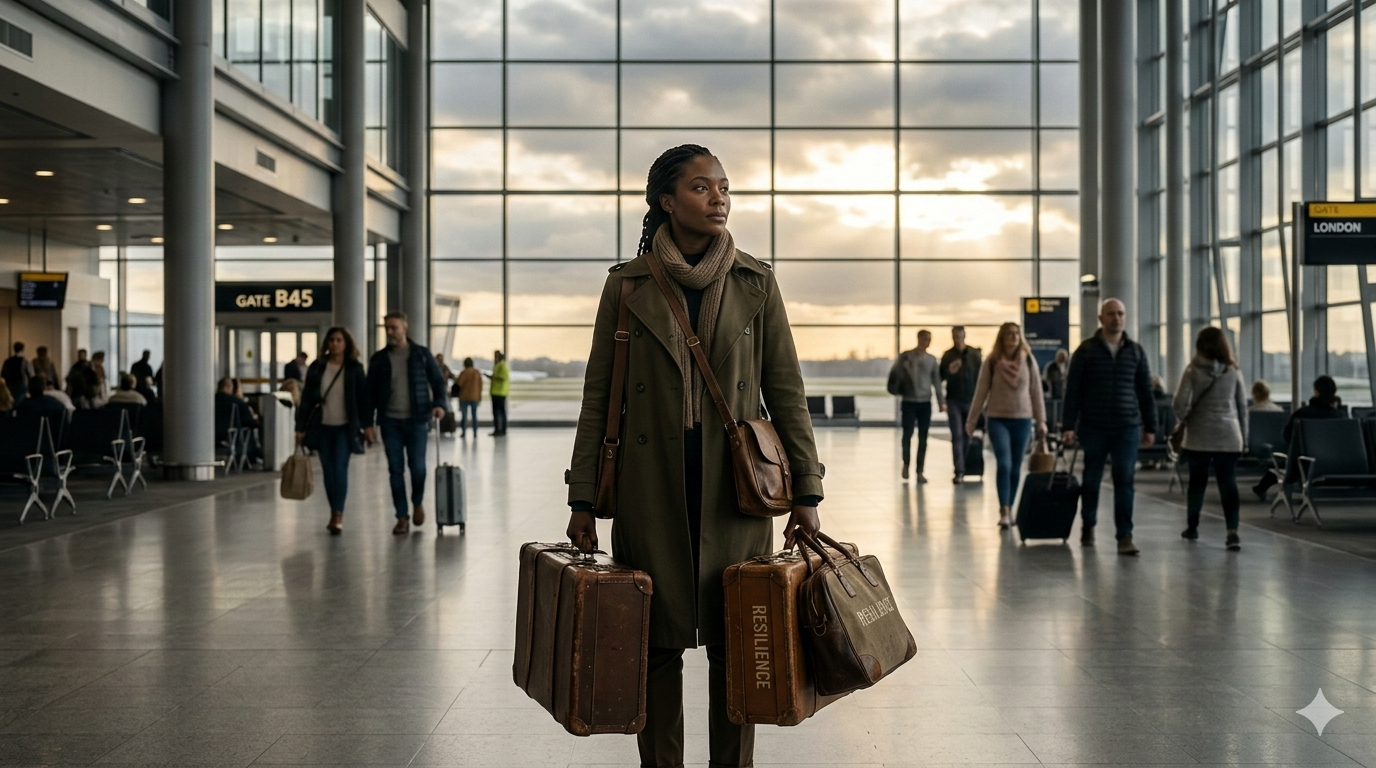
Ta refleksja bada cichą samotność, która często wiąże się z byciem niezawodną osobą w życiu. Wiele osób staje się osobą, do której inni zwracają się w trudnych chwilach, ale ich własne zmagania pozostają w dużej mierze niewidoczne. W tym artykule przyjrzymy się emocjonalnemu ciężarowi bycia zawsze tym silnym, cichej zbroi, która tworzy się z czasem, oraz prostej ludzkiej potrzebie odpoczynku bez oczekiwań.
Dlaczego ludzie, na których wszyscy polegają, są często tymi, o których nikt nie pyta.
Jest pewna ciekawa rola, którą wiele osób odgrywa gdzieś na drodze do dorosłości.
Bez żadnej formalnej nominacji czy ceremonii, po cichu stają się tymi silniejszymi.
Niezawodny.
Ten spokojny.
Osoba, która stabilizuje pokój, gdy życie wszystkich innych zaczyna się chwiać.
Na początku wydaje się to komplementem. Siła jest czymś, co podziwiamy. Powierzenie nam zmartwień innych ludzi może wydawać się szacunkiem.
I przez chwilę naprawdę tak jest.
Niewiele osób wspomina jednak o tym, że rola bycia tym silnym wiąże się z cichym warunkiem.
Osoby silne rzadko są pytane o to, jak sobie radzą.
Ludzie instynktownie skłaniają się ku nim w trudnych chwilach, podobnie jak pasażerowie w burzliwym samolocie, którzy instynktownie szukają jednej osoby siedzącej spokojnie, nawet jeśli ten spokojny pasażer potajemnie ściska podłokietnik nieco mocniej, niż ktokolwiek zauważy.
Silny słucha.
Silny uspokaja.
Osoba silna pomaga innym odnaleźć się w trudnej sytuacji.
I powoli, nie zauważając, jak to się stało, stają się emocjonalnym wyjściem awaryjnym dla wszystkich innych.
To, co czyni tę rolę szczególnie interesującą, to fakt, że rzadko jest ona przypisywana celowo. Po prostu dzieje się to z czasem.
Być może byli odpowiedzialnym rodzeństwem.
Być może byli przyjaciółmi, którzy zawsze mieli przemyślane rady.
Być może byli partnerami, którzy pozostali stabilni, gdy inni stali się przytłoczeni.
Życie po cichu zauważa te cechy i stawia wobec nich oczekiwania.
Raz ustalona rola ma tendencję do utrzymywania się.
Kiedy coś idzie nie tak, ludzie szukają silnej osoby. Kiedy decyzje stają się skomplikowane, silna osoba jest proszona o wskazówki. Kiedy emocje stają się splątane, silna osoba staje się miejscem, w którym wszyscy inni zostawiają swoje zmartwienia.
Może to trochę przypominać stanie się nieoficjalnym wózkiem bagażowym grupy na lotnisku. Na początku jest tylko jedna walizka, potem pojawia się kolejna, a wkrótce wózek toczy się do przodu, niosąc połowę emocjonalnego bagażu terminalu.
Niezwykłe jest to, że silny rzadko narzeka.
Siła niesie ze sobą godność. Niesie ze sobą odpowiedzialność. Często wiąże się z cichą dumą.
Jednak pod tą godnością kryje się czasem cichsze uczucie, które niewielu ludzi rozpoznaje.
Samotność.
Nie chodzi o dramatyczną samotność fizyczną, ale o subtelną samotność polegającą na uświadomieniu sobie, że bardzo niewiele osób zatrzymuje się, by zapytać, gdzie silna osoba może potrzebować wsparcia.
Po prostu zakłada się, że są w porządku.
Ludzie zakładają, że odporność oznacza odporność.
Zakładają, że ktoś, kto wydaje się stabilny, musi czuć się stabilnie przez cały czas.
Ale siła nie eliminuje ludzkiej słabości. Po prostu dobrze ją maskuje.
Jest jeszcze jedna prawda o tych silnych, o której rzadko mówi się głośno.
Często mówi się im, delikatnie, ale wielokrotnie, aby wytrzymali trochę dłużej. Aby się dostosowali. Aby zaakceptowali sytuację taką, jaka jest. Aby szli naprzód, ponieważ są w stanie udźwignąć więcej niż inni.
I tak właśnie robią.
Przez lata silni budują wokół siebie coś w rodzaju zbroi. Nie głośną zbroję dumy czy buntu, ale tę cichą, która rośnie warstwa po warstwie dzięki odpowiedzialności, cierpliwości i wytrwałości.
Jednak zbroja, jakkolwiek użyteczna by nie była, nie oddycha.
A każde ludzkie serce potrzebuje powietrza.
Nawet najsilniejsi z nas czasami szukają czegoś bardzo prostego: ramienia, które nie oferuje rozwiązań, nie oferuje litości, ale po prostu uznaje, że siła nie oznacza braku potrzeb.
Najdziwniejsze jest to, że ci najsilniejsi rzadko pokazują to otwarcie.
Kontynuują marsz do przodu.
Niosą ciężar, który na nich spoczywa.
Uśmiechają się, czasem nawet śmieją, ponieważ naprawdę kochają życie i potrafią znaleźć małe promienie słońca w zwykłych chwilach.
Ciepła filiżanka kawy.
Spokojny wieczór.
Miła rozmowa.
Jednak ta zdolność do znajdowania radości może powodować ciche nieporozumienia.
Ludzie widzą uśmiech i zakładają, że wszystko musi być łatwe. Słyszą śmiech i wierzą, że silna osoba nie ma żadnych obciążeń, o których warto wspomnieć.
I tak silni nadal idą naprzód, niosąc bagaż wielu podróży na własnych barkach.
Nie dlatego, że muszą.
Ale ponieważ gdzieś po drodze nauczyli się jak.
I być może najcichsza prawda ze wszystkich jest taka:
Silni nie potrzebują, by świat ich ratował.
Zasługują jednak na uwagę.
Czasami wystarczy jedno przemyślane pytanie.
Czasami nawet spokojny pasażer burzliwego samolotu docenia świadomość, że ktoś inny również zauważył wstrząsy.


 English
  Polish